

Menu
AboutMeet the DoctorOur ProgressServicesWho We Serve Call (407) 205-2468 Join the VIP List

Blog / Oral Surgery and Sedation

What to Eat (and Avoid) After an Extraction

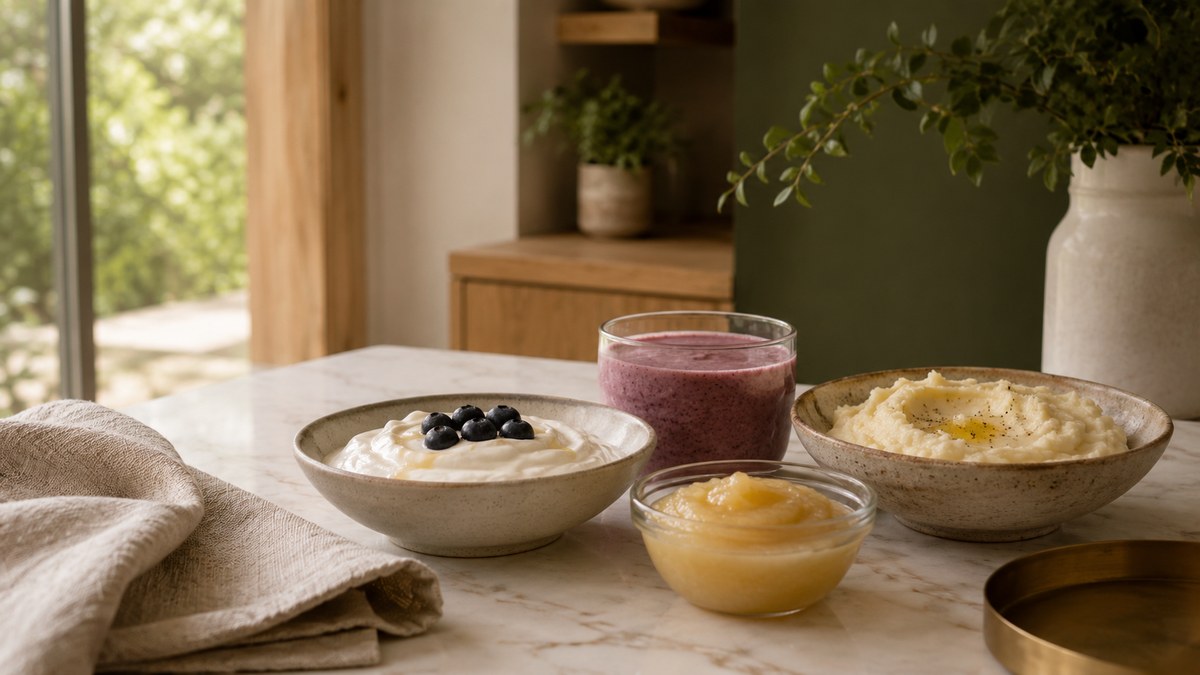
A bowl of yogurt, smoothie, and mashed potatoes showing what to eat after extraction surgery.

Knowing what to eat after extraction surgery makes recovery easier and helps protect the healing site. For the first day or two, the goal is simple: soft, cool, or room-temperature foods that need little or no chewing, eaten gently on the side away from the extraction. Think yogurt, smoothies, mashed potatoes, eggs, and lukewarm soup, and skip anything crunchy, chewy, very hot, or eaten through a straw.

The reason behind these rules is the blood clot that forms in the socket after your tooth is removed. That clot protects the bone and nerves underneath and is the foundation of healing. Foods and habits that disturb it can lead to a painful complication called dry socket, so the first few days of careful eating are well worth it.

This guide gives you a day-by-day eating plan, plenty of soft food ideas, and a clear list of what to avoid. Our Oakland, FL studio cares for patients in the surrounding communities in Florida, and good nutrition is one of the simplest things that keeps a recovery comfortable.

The First 24 Hours

Right after your extraction, stick to foods that require no chewing at all. Cool and soft is the theme, since cold can also help with swelling. Good first-day choices include:

  • Yogurt and applesauce, smooth and easy to eat with a spoon.
  • Smoothies and milkshakes, but spooned or sipped from a cup, never through a straw.
  • Mashed potatoes and lukewarm broth or soup that is not hot.
  • Pudding, gelatin, and plain soft ice cream without hard mix-ins.

Avoid using a straw entirely. The suction can pull the clot loose and cause dry socket, the same reason we ask you to avoid smoking and forceful spitting. For a fuller look at protecting the site, see our guide on dry socket and how to prevent it.

Days 2 to 3: Soft Solids

As the soreness eases, you can add foods with a little more substance while still keeping everything soft. Scrambled or soft-boiled eggs, oatmeal, well-cooked pasta, soft cheeses, ripe bananas, avocado, flaky fish, and slow-cooked or mashed vegetables all work well. Continue chewing on the opposite side of your mouth, and let any tenderness guide how much texture you add. This is also a good time to start gentle warm saltwater rinses after meals to keep the area clean.

Days 4 to 7: Easing Back to Normal

By the end of the first week, most people are returning to their usual diet, guided by comfort. Reintroduce firmer foods gradually rather than all at once, and be a little cautious around the extraction site. If a food causes pain or feels like it is catching in the socket, ease off and give it another day or two. Recovery is not a race, and the timeline can vary depending on whether your extraction was simple or surgical, as our overview of tooth extraction healing time explains. Wisdom tooth removal in particular tends to sit at the longer end of that range.

Foods and Drinks to Avoid

A few things are worth steering clear of while the socket heals:

  • Crunchy and hard foods like chips, nuts, popcorn, and raw vegetables that can scratch the site or break the clot.
  • Small hard pieces like seeds and popcorn kernels that lodge in the socket.
  • Chewy foods like steak, crusty bread, and sticky candy that strain the area.
  • Very hot, spicy, and acidic foods that irritate healing tissue.
  • Alcohol, carbonated drinks, and anything through a straw during the early days.

A Few Tips That Help

Stay hydrated with water, since hydration supports healing, and lean on nourishing options like smoothies and soups that pack nutrition into easy-to-eat forms. Take any pain relief as directed, and do not skip meals, because good nutrition gives your body what it needs to repair. If you ever feel unsure about how recovery is going, we are only a call away.

Ready to Recover Comfortably

If you have an extraction coming up or you are partway through healing and wondering what is safe to eat, we are happy to walk you through it and answer any questions. Small choices in those first few days make a real difference. Reach out to learn more, or join our VIP list ahead of our opening.

Frequently Asked Questions

What can I eat right after a tooth extraction?

For the first day, choose soft, cool, or room-temperature foods that need no chewing, such as yogurt, applesauce, smoothies eaten with a spoon, pudding, mashed potatoes, and lukewarm broth. Avoid anything hot, crunchy, or chewy, and do not use a straw. Eating gently on the opposite side of your mouth protects the healing site.

When can I eat solid food again after an extraction?

Most people gradually return to firmer foods over three to seven days, guided by comfort. Start with soft solids like scrambled eggs and pasta, then add more texture as the area feels stronger. A simple extraction may allow normal eating within a few days, while a surgical one can take a little longer. Let comfort be your guide.

Why can't I use a straw after an extraction?

The suction created by drinking through a straw can dislodge the blood clot protecting the extraction site, leading to a painful condition called dry socket. For the same reason, avoid smoking and vigorous spitting during the first several days. Drink directly from a cup instead, and your recovery will go much more smoothly.

How long do I need to eat soft foods?

Plan on soft foods for at least the first two to three days, then ease back toward your normal diet as comfort allows over the following days. After a surgical extraction or wisdom teeth removal, you may want to stick with softer choices closer to a week. There is no rush, so reintroduce textures gradually.

What foods should I avoid after an extraction?

Avoid crunchy foods like chips and nuts, chewy foods like steak and gummy candy, and small hard pieces like popcorn kernels and seeds that can lodge in the socket. Skip very hot, spicy, and acidic foods that irritate the site, and avoid alcohol and straws. These can disturb the clot or cause discomfort during early healing.

Can I eat ice cream after a tooth extraction?

Plain, soft ice cream can be soothing in the first day or two because the cold helps with swelling, as long as it has no hard mix-ins like nuts or candy. Eat it with a spoon, not a straw, and avoid extremely cold bites if your teeth are sensitive. Frozen yogurt and smoothies work well too.

What can I drink after an extraction?

Water is the best choice and keeps you hydrated, which supports healing. Lukewarm or cool drinks are fine, but skip straws, alcohol, and very hot beverages for the first several days. Avoid carbonated and sugary drinks early on, and remember that smoothies and broths count toward both nutrition and hydration while you are eating lightly.

When can I drink coffee after an extraction?

It is best to wait at least a couple of days before having coffee, and to let it cool to lukewarm rather than hot when you do. Heat can interfere with the clot and increase bleeding early in healing. Drink it from a cup rather than a straw, and avoid stirring in very hot temperatures right at the start.

How soon can I eat after wisdom teeth removal?

You can usually have soft, cool foods within a few hours, once the bleeding has settled and you feel up to it. Because wisdom teeth removal is often surgical and involves the back of the mouth, many people stay with soft foods a bit longer than after a simple extraction. Follow your dentist's specific aftercare instructions.

This content is for educational purposes only and is not a substitute for professional dental advice. Please consult a qualified dentist for personalized recommendations. Medically reviewed by Dr. Clayton Little, DMD, West Orange Dental Studio, Oakland FL.

Now forming our patient family

Ready to talk about your smile?

Join the VIP List for priority booking and early access to new-patient promotions when we open.

Join the VIP List